Snacking in India: Why Traditional Choices Are Making a Comeback
Snacking has quietly become one of the most consistent eating habits in India. From mid-work breaks to late-night cravings, people are reaching for quick bites more than ever.
The problem? Most commonly available options fall under ultra-processed foods—high in refined flour, sugar, and unhealthy fats.
As awareness grows, more people are actively searching for healthy snacks in India that don’t compromise on taste.
The Shift Towards Healthier Snacking
Government-backed initiatives like Eat Right India (FSSAI) and the promotion of traditional foods have pushed an important message:
Everyday food choices matter more than occasional diets.
Consumers are now:
- Reading ingredient labels
- Avoiding deep-fried and highly processed snacks
- Exploring traditional and regional alternatives
This shift is not a trend—it’s a behavioral change.
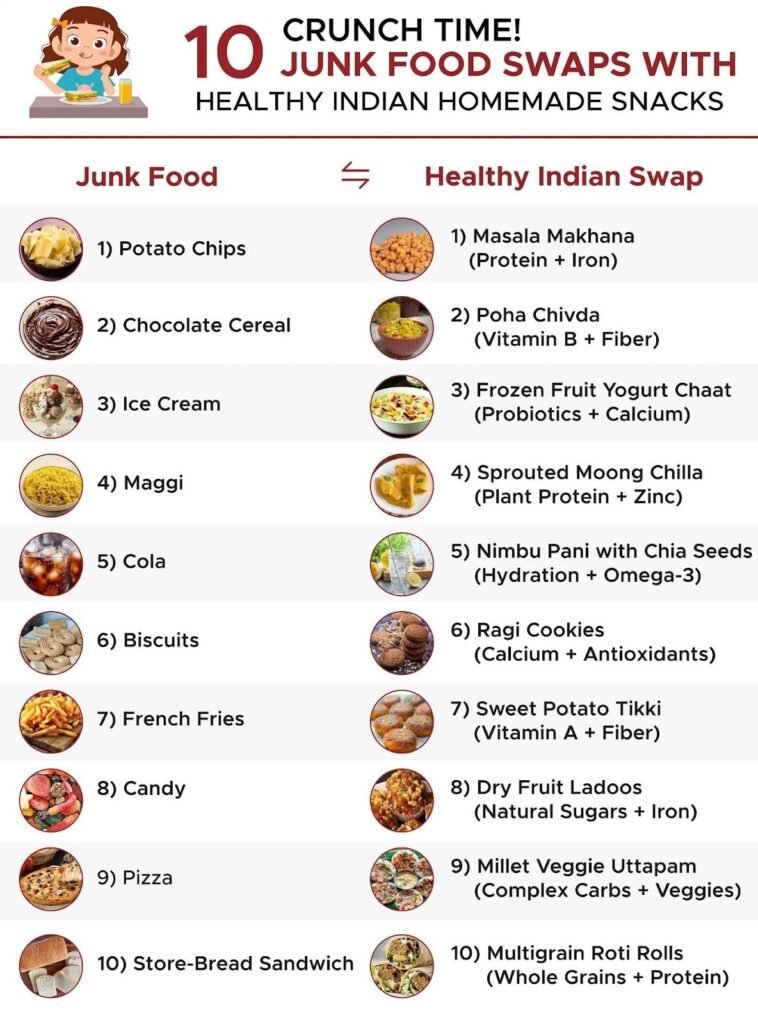
What Defines a Healthy Snack?
Not all snacks marketed as “healthy” truly are. A better way to evaluate snacks is through these filters:
- Ingredient simplicity → Can you recognize everything listed?
- Processing level → Is it baked, roasted, or fried?
- Nutritional balance → Does it provide sustained energy?
Traditional snacks often meet these criteria naturally. For example:
- Baked whole-grain snacks instead of fried alternatives
- Light mixtures made with curry leaves and nuts
- Makhana sweetened with jaggery instead of refined sugar
These options provide satiety, better digestion, and steady energy release.
Why Traditional Indian Snacks Make Sense Today
India’s food heritage has always emphasized balance. Snacks were never meant to be empty calories—they were designed to:
- Complement meals
- Provide energy between long work hours
- Use locally available ingredients
Reintroducing these foods in modern formats allows people to:
- Eat healthier without drastic lifestyle changes
- Stay connected to familiar flavors
- Reduce dependency on packaged junk food
Convenience Meets Conscious Eating
One challenge remains—time and accessibility.
Not everyone can prepare traditional snacks at home. This is where newer food brands are stepping in, making these options available in ready-to-eat formats while keeping ingredients simple.
For instance, brands like Munchika are focusing on:
- Baked instead of fried products
- Use of jaggery over refined sugar
- Retaining traditional recipes with minimal processing
Such options make it easier to transition toward guilt-free snacking without extra effort.
Small Changes, Long-Term Impact
Switching to healthier snacks doesn’t require a complete diet overhaul.
Start with:
- Replacing one daily processed snack
- Choosing baked or roasted over fried
- Preferring natural sweeteners
Over time, these small decisions contribute to:
- Improved energy levels
- Better metabolic health
- More mindful eating habits
Conclusion
The demand for healthy snacks in India is growing for a reason. People are no longer satisfied with empty calories—they want food that supports their lifestyle.
Traditional snacks, when adapted thoughtfully, offer exactly that balance.
The shift is simple:
From convenient but harmful → to convenient and mindful.